
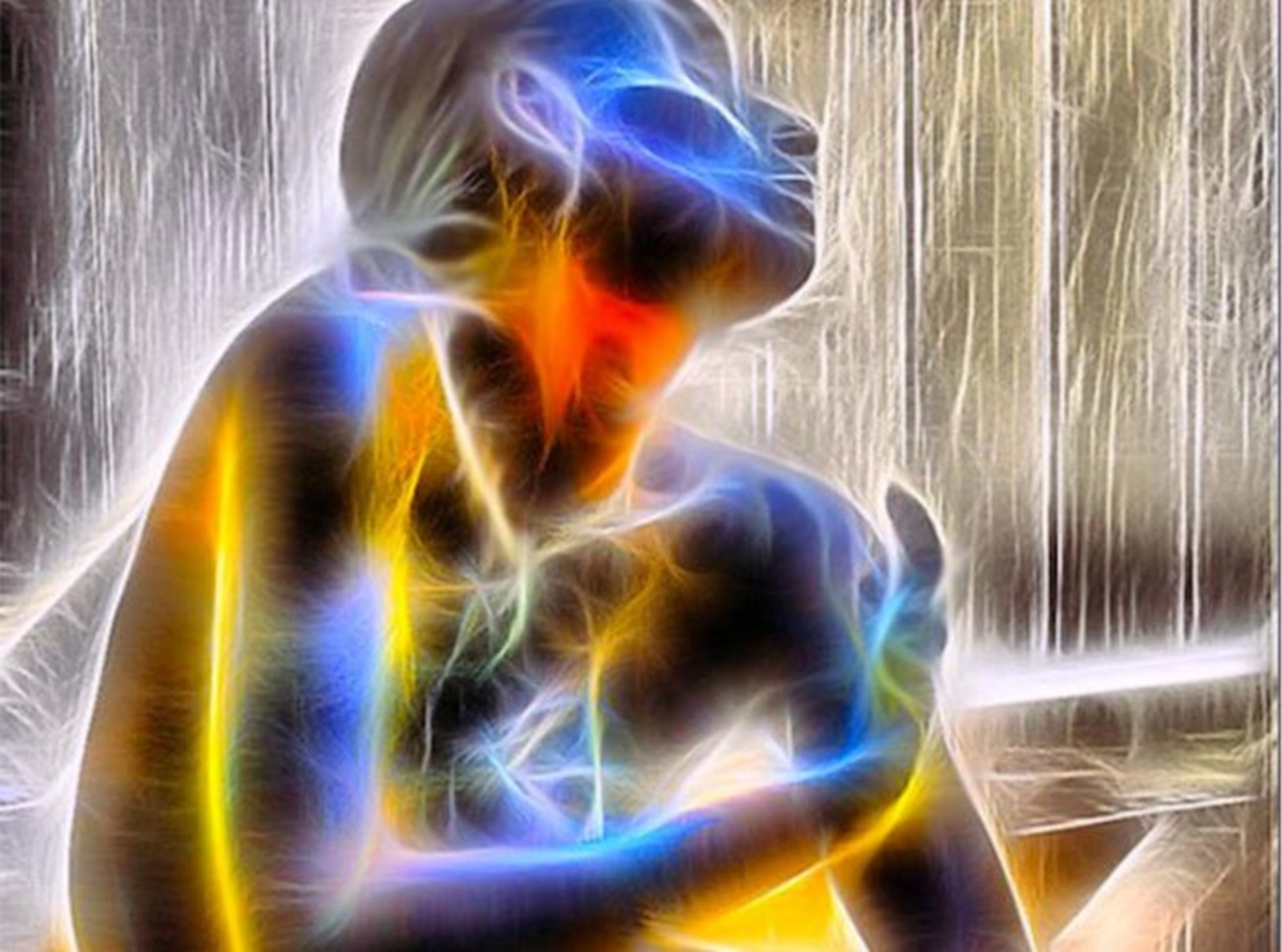
“Residual energy” can name an atmosphere without proving a force is stored there
A room, piece of clothing, pet or inherited object may feel heavy, comforting or charged with memory. Some spiritual practitioners call this leftover or residual energy. The experience can be meaningful, but atoms in the air do not scientifically record emotions, spirits or psychic messages.
What people may mean by residual energy
The phrase is used loosely. One person may mean the emotional atmosphere left after an argument. Another may mean memories activated by a familiar chair. A psychic may mean impressions believed to be stored in an object or place. Physics uses “energy” in a precise measurable sense; the spiritual phrase is not the same claim.
Clarifying the meaning prevents confusion. Instead of “the room contains negative energy,” try “I tense up in this room because the argument happened here,” “the air feels stale,” or “I interpret this object spiritually.” Each statement points to a different response.
Four kinds of “leftover” experience
| Layer | Examples | Useful response |
|---|---|---|
| Physical | Odour, dust, smoke, mould, heat, poor light, clutter or noise | Ventilate when safe, clean, repair, test and use qualified help. |
| Memory | A song, scent, object or room recalls a person or event | Name the memory and choose whether to keep, move or store the cue. |
| Social | Tension, routines, conflict roles or expectations persist | Use communication, boundaries and changed behaviour. |
| Spiritual | A belief that a place or item carries presence or meaning | Keep the interpretation optional and use safe, non-coercive ritual. |
The TRACE check
Tell what changed
Describe the sensation, mood or event and when it began.
Review the environment
Check air, temperature, light, sound, smells, maintenance, substances and recent activity.
Ask what it recalls
Notice memories, grief, expectations and earlier experiences linked with the place or object.
Choose one practical step
Clean, repair, open a curtain, move the item, set a boundary or ask for help.
Evaluate the result
Did the feeling change? Keep more than one explanation open rather than declaring proof.
Places remember through people
A workplace after layoffs, a hospital room, a childhood home or a kitchen after conflict can feel different because people know what happened there. Posture, voice, routines, avoidance and environmental cues carry the history forward. New behaviour can gradually change the atmosphere.
Try altering one cue: move the seating, increase light, clean a neglected surface, add a neutral sound or hold a calm conversation. If a place contains violence, harassment or unsafe conditions, the answer is not energetic cleansing; use a safety plan, organizational process or qualified support.
Objects and psychometry
Psychometry is the belief that a sensitive person can receive information by touching an object. This ability is not scientifically established. Details may come from appearance, wear, context, prior knowledge, broad inference, feedback or chance.
If you try an object-reading exercise, make it low stakes. Have another person choose an ordinary item, conceal identifying context, record impressions before feedback and review specific misses as well as hits. Do not use an impression to accuse someone, identify a criminal, diagnose illness or determine ownership.
Clothing and inherited belongings
Clothing carries scent, shape, wear and familiar associations. An inherited watch or recipe card may feel like a relationship concentrated into an object. That is not evidence that consciousness is trapped inside it.
You may keep, use, photograph, give away or store an item. Grief has no rule requiring every possession to remain. Before donating something shared or valuable, check family expectations and legal ownership. If you are not ready, place it in a labelled box and set a future review date.
Pets and household animals
Pets respond to sound, scent, routine, body language and changes in the home. After a death or move, they may search, vocalize, sleep differently or react to altered schedules. This does not prove they store or see residual spirit energy.
Maintain food, exercise, medication and familiar routines. Contact a veterinarian for sudden, persistent or concerning behaviour, appetite, pain, mobility or sleep changes. Avoid essential oils, smoke and objects that could be toxic, swallowed or knocked over.
Grief, presence and hearing someone at home
After a death, a familiar creak, shadow, scent or phrase may briefly feel like the person is present. Memories are tied to sensory and emotional cues, and grief experiences can be vivid. Respond with compassion without claiming that the house recorded a spirit.
You might say, “That sound brought them close to mind,” then check the environment. Seek healthcare or mental-health support if voices, visions, smells or touch sensations are new, persistent, frightening, rapidly worsening or affecting daily life. Dangerous commands or immediate risk require urgent local help.
Ordinary home hazards can feel like “bad energy”
Carbon monoxide
CO is colourless and odourless. Headache, dizziness, weakness, nausea, chest pain and confusion can occur. Maintain detectors and follow alarms immediately.
Mould and moisture
Leaks, musty odours and visible growth need moisture control and appropriate remediation—not spiritual diagnosis.
Indoor particles
Smoke, cooking, candles, incense, cleaning products and outdoor pollution can affect indoor air.
Light and sound
Flicker, low-frequency sound, traffic, appliances and poor sleep can contribute to unease and headaches.
Electrical or structural issues
Burning smells, heat, sparking, gas odour, new cracks or movement need the applicable emergency or qualified service.
Substances and medication
Alcohol, drugs, withdrawal and medication effects can change perception, mood and sleep and may require care.
Smoke is not required for cleansing
Burning sage, incense or candles creates indoor particles and may bother people with asthma, migraine, fragrance sensitivity or other respiratory needs. Fire risk, pets, children, leases, building rules and smoke alarms also matter. Never burn material in an unvented or prohibited space.
Smoke-free alternatives include opening curtains, tidying one surface, washing fabric, changing bedding, playing music at a reasonable level, using a spoken intention, placing an ordinary bowl of water temporarily, or walking through the room and naming its new purpose.
Cultural care around smoke practices
Specific ceremonial practices belong to living cultures and communities. Avoid treating all smoke rituals as interchangeable or using Indigenous terms as a generic label for any home fragrance. Learn from appropriate sources, respect community boundaries and choose a practice that fits your own context.
A smoke-free ROOM reset
Remove one burden
Take out rubbish, spoiled food, a broken item or visual clutter within your capacity.
Open or adjust
Use fresh air only when outdoor conditions are safe; otherwise adjust light, filtration or temperature.
Orient to the present
Name the date, place, five visible objects and one current need.
Mark a purpose
Say what the area is for now: rest, conversation, work, play or remembrance.
When another person is the concern
Do not label a visitor, tenant, child or partner as carrying negative energy. Focus on behaviour: yelling, disrespect, theft, intoxication, boundary violations or unsafe conduct. Then use a proportionate rule or boundary.
Examples include: “Please do not smoke inside,” “I will end the visit if insults continue,” or “This room is private.” You do not need to prove an aura or spiritual imprint to protect your home.
Residual energy in workplaces
A tense office may reflect workload, unclear roles, bullying, unsafe staffing, noise, poor air or organizational history. Personal visualization may help you regulate, but it cannot repair a systemic problem.
Document concrete events, use applicable reporting channels and seek occupational, legal or health guidance when warranted. Avoid accusing a colleague of psychic contamination. A behaviour-based account is clearer and more actionable.
When a reading claims to detect energy
A psychic may offer a symbolic impression about a place or object. Ask what information they had, how specific the claim is, what would count as a miss and whether they sell the remedy. Do not share private details you do not want used in the interpretation.
Red flags include guaranteed identification of a spirit, claims that an item causes illness, urgent fees to remove an attachment, pressure to discard valuables or instructions to avoid inspectors, clinicians or other professionals.
Related grounded guides
For a wider look at atmosphere, guests and practical environmental checks, see the chi imprint in your home. For a symbolic reset with smoke-free options and ingredient safety, use our guide to cleansing your aura.
A memory-object practice
Sit at a kitchen table or outside in the yard with one safe object connected to a person or period of life. Describe five physical details before naming any interpretation. Then write one memory, one feeling and one value the object brings forward.
Choose its next role: display, use, store, photograph, share or release. Clean it according to its actual material; do not apply salt, water, flame, oil or smoke that could damage it. Close by returning attention to the room and your current day.
Frequently asked questions
Can objects store emotional or spiritual energy?
Objects can hold physical traces and powerful personal associations. A spiritual belief may interpret them as energetic, but there is no established evidence that atoms record emotions or spirits in the way psychometry claims.
Why does a room feel heavy after conflict?
Memory, tension, body cues, silence, disrupted routines and environmental factors can all contribute. Change observable conditions, address behaviour and keep a spiritual interpretation optional.
Is sage or incense necessary to clear residual energy?
No. Smoke creates particles and may be unsafe or inaccessible. Try cleaning, light, safe ventilation, sound, rearrangement, a spoken intention or another smoke-free ritual.
When should I stop treating a feeling as spiritual energy?
Prioritize professional help for alarms, gas or burning odours, persistent physical symptoms, unsafe behaviour, or sensory experiences that are new, distressing, worsening or impairing daily life.