
Fairies belong to folklore, literature, art and living spiritual belief. Traditions differ by culture and period: a fairy may be a household presence, a dangerous outsider, a nature spirit, a tiny winged figure or something that resists a simple description. There is no reliable evidence that fairies physically inhabit flowerpots, mushrooms or hidden kingdoms.
You can explore fairy stories with curiosity while distinguishing cultural tradition, personal spirituality, imagination and claims about the natural world.
There is no single fairy tradition
The modern word fairy groups together many beings and stories that were not originally identical. Irish, Scottish, English, Welsh, Norse and later literary traditions use different names, rules and relationships. Popular pictures of small winged people are only one branch of a much larger history.
A responsible overview avoids turning all European folklore—or all nature spirits worldwide—into one universal species.
Folklore is not a field guide
Traditional stories may locate fair folk near hills, trees, stones, water, paths or domestic spaces. Those settings carry cultural and narrative meaning. They do not establish that an unexplained sound, missing object or circle in grass was caused by a supernatural being.
Check weather, animals, plants, neighbours and ordinary memory before assigning a spiritual explanation.
Why old stories still matter
Fairy lore can express relationships with place, hospitality, danger, social rules, uncertainty and the limits of human control. A story may teach care around a landscape even when the listener does not take every event literally.
Ask what a story protects, warns against or gives language to. Avoid using folklore to make claims about an entire modern nation or community.
Fairy trees, hills and special places
Some local traditions treat particular trees, mounds, wells or paths with special respect. If you visit a culturally significant place, follow posted rules, stay on permitted routes and do not remove stones, plants or offerings. Respect for landowners and local communities matters more than staging a photograph or ritual.
Do not enter caves, ruins, water or private property in search of fairies. Physical hazards remain physical hazards.
Fairy circles have natural explanations
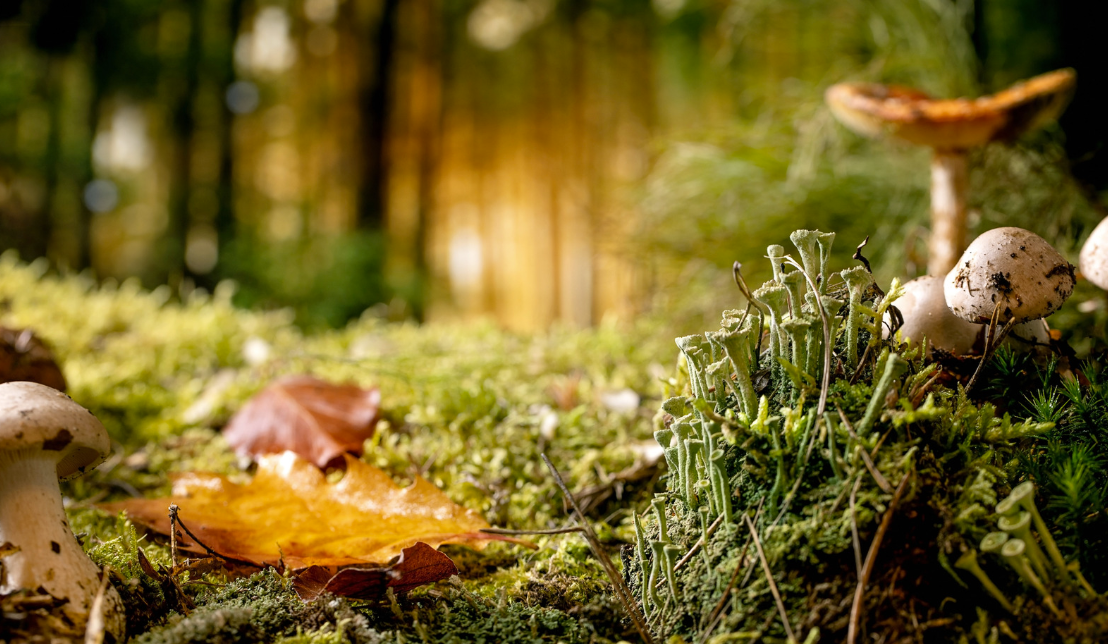
In lawns, a ring of mushrooms is commonly called a fairy ring. The name reflects folklore, while the visible pattern can arise from fungal growth. Do not eat wild mushrooms based on appearance or spiritual meaning; identification mistakes can be dangerous.
Bare circular patches in arid landscapes also require ecological investigation. Similar names do not prove one supernatural cause.
Fairies in art and literature
Artists and writers have repeatedly reshaped fairies for their own audiences. Gentle flower fairies, mischievous sprites, frightening beings and royal courts can coexist because they serve different stories.
When sharing an image or quotation, distinguish a modern creative work from an older oral tradition. Imagination is not misinformation when it is labelled as imagination.
Personal spiritual belief
Some people address fairies or nature spirits in prayer, meditation or ritual. That belief deserves courtesy, but it should not be presented as verified fact or imposed on someone else. A personal experience can be meaningful without proving what caused it.
Use phrases such as “In my practice…” or “Some people interpret…” rather than “This definitely means…”
A five-question discernment check
- What happened? Record the observable event without interpretation.
- What ordinary causes fit? Check animals, weather, lighting, memory and human activity.
- Which tradition am I referencing? Avoid inventing a universal rule.
- What effect does the belief have? Does it encourage care, fear, spending or unsafe action?
- What is the lowest-risk response? Choose reflection or stewardship over certainty.
If you frequently interpret coincidences as messages, this guide to evaluating possible spirit-world messages can help separate observation from meaning.
How to make a fairy garden responsibly
A fairy garden is a creative miniature landscape, not a proven way to attract beings. It can be made in a planter, flower bed or corner of the yard.
- Choose a container or permitted outdoor location.
- Check light, drainage and the needs of real plants.
- Use weather-safe miniature objects without sharp edges.
- Leave openings so water does not collect.
- Keep paths clear for people and pets.
- Inspect regularly for mould, pests and damaged pieces.
Use peat-free or locally appropriate soil when available, and avoid taking moss, bark or plants from protected land.
Design for actual wildlife
Birds, insects, amphibians and small mammals may visit a garden. Protect them:
- avoid glitter, loose wire, fishing line and small plastic pieces;
- do not leave milk, cake, candy or salty food outdoors;
- do not use toxic paint or treated materials near soil and water;
- keep cats and dogs from disturbing nests or wildlife;
- use shallow water only with safe escape routes and frequent cleaning;
- follow local advice on native plants and feeding wildlife.
A beautiful miniature scene should not become litter or a trap.
Offerings and consent
A symbolic offering can be a poem, a moment of gratitude or practical care for the garden. Avoid leaving food that attracts pests, creates mould or harms wildlife. Never place objects on land you do not have permission to use.
If children participate, explain which parts are storytelling and which safety rules are real.
A realistic home or yard activity
At a kitchen table, sketch a tiny garden with three layers: a living plant, a weather-safe shelter shape and a path. Use materials you already own. Then spend ten minutes in the yard or at a window noticing actual plant and animal activity.
Write two columns:
- Observation: “A leaf moved when the wind was still.”
- Possible meanings: breeze, insect, animal, imagination or a spiritual interpretation.
You do not need to decide which meaning is true.
Photographs, lights and sounds
Small lights in photographs can come from insects, dust, moisture, reflections, focus effects or editing. Music-like sounds can come from neighbours, phones, wind and animals. Check the source before making a claim.
Do not trespass, climb dangerously or stay outside in severe weather to chase an unexplained effect.
When a belief becomes frightening
Fairy stories can be playful, but a person may become convinced they are being watched, punished or commanded. If the belief causes fear, sleep loss, unsafe behaviour or difficulty with daily life, pause rituals and speak with a qualified mental-health professional.
Support does not require mocking someone’s beliefs. Focus on safety, distress and functioning.
Fairies are not extraterrestrials or human “types”
Do not label a living person or child as literally nonhuman based on appearance, sensitivity or behaviour. Such labels can obscure individual needs and discourage appropriate care. Fairies, mermaids, elves and extraterrestrials come from different bodies of story and belief.
Changing your spiritual framework
You are allowed to enjoy fairy lore as fiction, hold it as spiritual belief, move between interpretations or stop a practice. Curiosity does not require certainty. If your wider beliefs are changing, Changing Your Spiritual Journey offers a grounded way to review values and support.
A seven-day folklore-and-nature project
- Day 1: choose one story and identify where it comes from.
- Day 2: separate historical tradition from modern additions.
- Day 3: observe a tree, garden or park without collecting anything.
- Day 4: create a miniature object from safe reused material.
- Day 5: learn one fact about a real species in the setting.
- Day 6: write your own clearly labelled fairy story.
- Day 7: make one practical contribution to the place.
Frequently asked questions
Are fairies real?
Fairies are part of folklore, literature and personal spiritual belief. There is no reliable evidence that they exist as a physical species, though the stories can remain culturally and personally meaningful.
Where do fairy stories say fairies live?
Traditions may associate fair folk with hills, trees, stones, water, paths or homes. Meanings vary by culture and story, so these settings should not be treated as a universal field guide.
Can I attract fairies with a garden?
A fairy garden is a creative symbolic project, not a proven attraction method. Build it with permission and use materials that are safe for plants, wildlife, children and pets.
What causes fairy rings in grass?
Rings of mushrooms can form through fungal growth. The name “fairy ring” reflects folklore, but do not eat wild mushrooms unless they have been identified as safe by a qualified expert.