
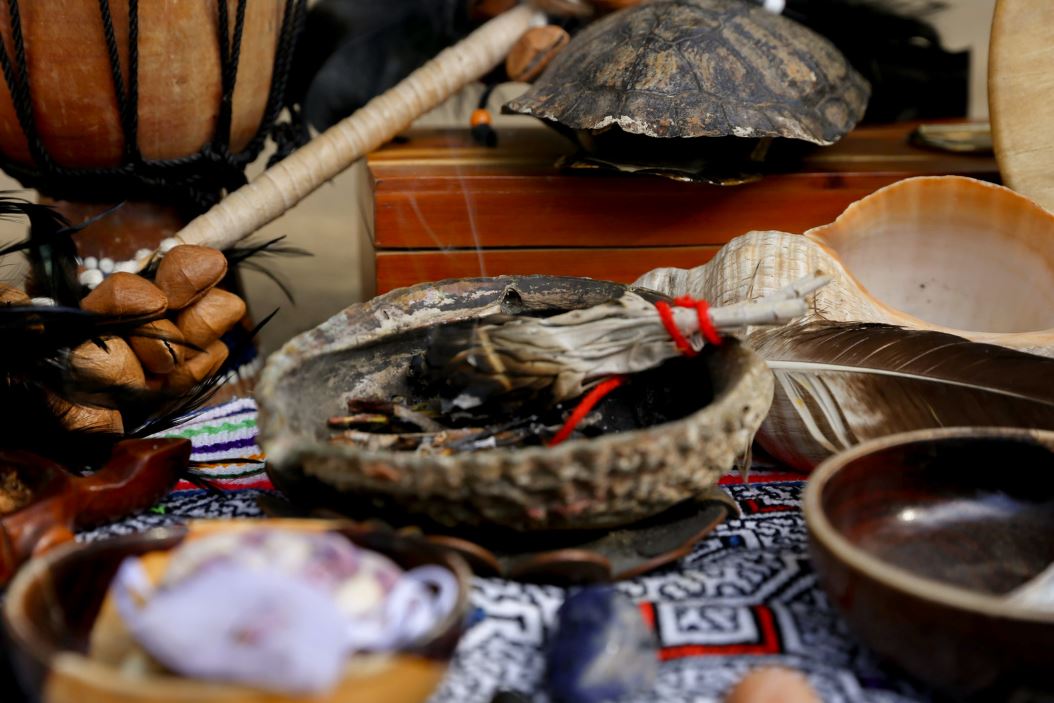
Burning sage can be part of a personal or community spiritual practice, but calling the smoke “healthy” is misleading. Burning plant material creates indoor particulate matter. It has not been shown to disinfect a lived-in room, treat allergies or asthma, prevent infection, improve memory, cure depression or protect against dementia.
The value of a ritual may come from cultural meaning, intention, attention or connection. Those benefits should be discussed separately from medical claims.
Sage is not one plant or one universal tradition
“Sage” can refer to plants in different genera, including culinary sage and several plants commonly called sagebrush. Their chemistry, ecology and cultural uses are not identical.
Some Indigenous nations have specific ceremonial relationships with particular plants. Avoid saying that all Native American people share one practice or that a commercial smoke-cleansing routine represents every tradition. Learn from sources created or authorized by the relevant nation or community.
What smoke does to indoor air
Combustion produces fine particles and other by-products. The U.S. Environmental Protection Agency identifies burning candles and incense as indoor sources of particulate matter and recommends reducing sources and providing ventilation. Plant smoke does not become harmless because the plant is natural or spiritually meaningful.
Children, older adults and people with asthma, COPD, heart or lung conditions, migraines, allergies or fragrance sensitivity may be more affected. Pets can also be sensitive to smoke and scent.
It does not purify a room of viruses or bacteria
Laboratory findings about extracts, oils or smoke under controlled conditions do not establish that wafting a bundle through a home safely disinfects air and surfaces. Species, dose, exposure and study design matter. A petri-dish result is not a household treatment.
For infection control, follow current public-health guidance: ventilation, appropriate cleaning, hand hygiene and other measures suited to the specific illness. Do not replace medical care or proven precautions with smoke.
It does not remove allergens
Claims that sage smoke releases negative ions that neutralize pet dander, dust or mould are not a reliable allergy-control plan. Smoke and fragrance can irritate airways and may worsen asthma or respiratory symptoms.
Remove or control the source: address leaks and mould safely, clean according to allergy guidance, use appropriate filtration and follow a clinician’s asthma or allergy plan.
Thujone is not a reason to inhale smoke
Some plants contain thujone, but describing it as a mild psychoactive path to intuition or clarity turns a chemical hazard into a benefit claim. The amount and compounds in smoke are unpredictable, and inhalation is not a safe dosing method.
Do not ingest essential oils or concentrated herbal products unless a qualified professional says they are safe for your specific situation. Keep plants, ashes and oils away from children and pets.
Mood, sleep and memory claims need limits
A familiar ritual may feel calming because it marks a transition, uses learned associations and focuses attention. That personal response does not show that smoke treats anxiety, depression, insomnia, pain, dementia or Alzheimer’s disease.
Studies of an ingested extract, isolated compound or different sage species cannot be transferred automatically to burning white sage. Persistent mood, sleep, pain or memory problems deserve assessment from a qualified healthcare professional.
The SMOKE decision check
- Source: Which plant is this, where did it come from and is the supply legal and responsible?
- Meaning: Is the ritual yours to practice, or are you borrowing a community-specific ceremony without context?
- Occupants: Is anyone nearby sensitive, pregnant, very young, elderly or living with lung or heart disease?
- Keep fire controlled: Use a stable noncombustible holder, water nearby and constant supervision.
- Exit option: Choose a smoke-free practice when ventilation, consent or safety is uncertain.
If you choose to burn sage
- Ask everyone sharing the space, and respect a no.
- Use the smallest amount for the shortest time.
- Ventilate appropriately when outdoor air conditions allow.
- Keep smoke away from faces, sleeping areas and food.
- Use a stable heat-safe container; ordinary glass may crack from heat.
- Keep clear of curtains, paper, hair, loose clothing and flammable liquids.
- Never leave embers unattended; confirm they are fully extinguished.
- Do not disable a smoke alarm.
- Avoid burning where oxygen equipment is used or fire rules prohibit it.
If anyone coughs, wheezes, becomes dizzy or has trouble breathing, extinguish the material, move to clean air and seek appropriate medical help.
Smoke-free cleansing alternatives
You can preserve the intention of clearing or resetting a room without combustion:
- open curtains and ventilate when outdoor conditions are suitable;
- tidy one small surface and remove the source of an odour;
- ring a bell, clap, pray, sing or use silence;
- place an unburned plant or meaningful object where it is safe;
- wipe a doorway or table with an appropriate unscented cleaner;
- write what you are releasing, then recycle or store the paper;
- step into the yard and return with a stated intention.
For a broader symbolic practice that does not depend on smoke, Learn to Cleanse Your Aura offers reflection and low-risk alternatives.
A realistic smoke-free home ritual
At a kitchen table or simple home desk, name the transition you want to mark: ending work, welcoming rest or beginning a difficult conversation. Clear one small area, take three comfortable breaths and say your intention aloud. Open a window only if weather and air quality make that appropriate.
Finish with one practical action, such as putting away a document, washing a cup or writing tomorrow’s first task. The ritual has done its job if it helps organize attention; it does not need to alter invisible energy.
Ethical sourcing and ecological care
Do not harvest plants from protected land, private property or culturally significant places without permission. Avoid assuming that a product labelled “sustainable” has been verified. Learn the botanical name, growing region and supplier’s harvesting practices.
Growing an appropriate culinary herb at home or choosing a smoke-free ritual may be a better fit. Never burn an unidentified plant, treated material or mouldy bundle.
Spiritual claims should remain spiritual
You may interpret a ritual as clearing residue energy or creating a boundary. Present that as personal belief, not a scientific measurement. For a separate guide to symbolic atmosphere and practical home changes, see The Chi Imprint in Your Home.
A responsible psychic or spiritual practitioner should not promise that smoke cures illness, removes a curse, guarantees protection or makes further paid services necessary.
Frequently asked questions
Does burning sage disinfect the air?
It has not been established as a safe household method for disinfecting air or surfaces. Burning plant material creates particulate matter, so use proven infection-control and cleaning guidance instead.
Can sage smoke help asthma or allergies?
No reliable evidence supports using sage smoke as a treatment, and smoke or fragrance can irritate airways and trigger symptoms. Follow a qualified clinician’s care plan and reduce indoor smoke exposure.
Is it safe to burn sage in a glass bowl?
Ordinary glass can crack with heat. If you burn material, use a stable container designed for high temperatures, supervise it continuously and fully extinguish every ember.
Can I cleanse a room without smoke?
Yes. Prayer, sound, tidying, safe ventilation, writing an intention or stepping outside can mark the same transition without adding combustion particles to indoor air.