
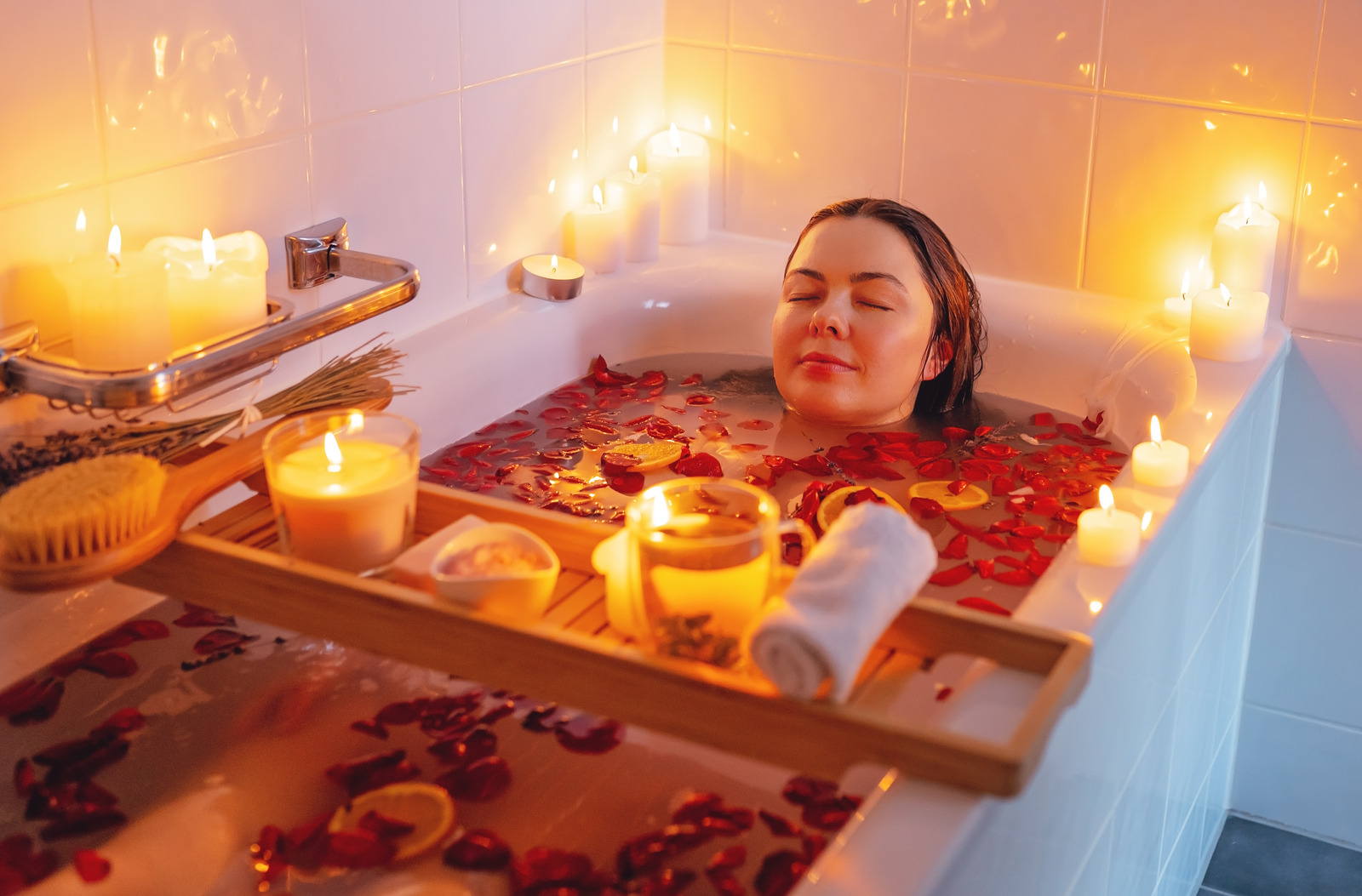
A spiritual bath is an ordinary bath given personal or religious meaning through intention, prayer, music, or a simple ritual. It may create a comforting pause at home, but it does not remove toxins, cure anxiety, improve circulation, or treat muscle pain. Those concerns may require practical changes or qualified healthcare.
Keep the ritual modest and physically safe. Water, heat, slippery surfaces, concentrated oils, alcohol, plants, and candles all add risks that matter more than creating a perfect atmosphere.
- Check that bathing is safe for your health and mobility.
- Use comfortably warm—not very hot—water.
- Choose one intention, prayer, or piece of music.
- Keep the bath short and all products optional.
- Stand slowly, dry the floor, and take one practical next step.
What makes a bath spiritual?
The meaning comes from the attention you bring, not from a required ingredient. You might use the bath to mark the end of a stressful day, prepare for reflection, honour a transition, or reconnect with a value such as patience or courage.
A shower, foot soak, handwashing ritual, or warm cloth can serve the same purpose if a tub is unavailable or unsafe. Being “stuck at home” does not mean you must have a special room, expensive products, or professional spa equipment.
Safety before symbolism
Do not take a bath when alcohol, recreational drugs, severe fatigue, fainting, uncontrolled seizures, medicines that impair alertness or balance, or another condition makes drowning or falling more likely. People with seizure disorders and some other medical risks may need supervision or may be safer using a shower; follow individualized medical advice.
Keep infants and young children within direct reach around water. Never leave a child alone to get a towel, answer a phone, or gather supplies. Drain the tub promptly after use.
Use a nonslip surface and keep a stable handhold available. If you feel dizzy, overheated, weak, confused, or short of breath, leave the bath carefully and seek help as needed.
Choose a safe water temperature
Very hot water can burn, dry or irritate skin, worsen dizziness, and make standing up harder. Test the water before entering and use a temperature that feels comfortably warm. Do not add hot water while a child or vulnerable person is in the tub.
If you have reduced sensation, circulation concerns, pregnancy, heart or blood-pressure conditions, skin disease, or another health issue affected by heat, ask a qualified clinician about safe bathing. A stronger sensation is not a stronger ritual.
Essential oils: fewer is safer
Essential oils are concentrated and do not mix evenly into bath water by themselves. Undiluted drops can contact skin at high concentration and cause irritation or allergic reactions. Some oils may be harmful if swallowed, inhaled in excess, or used around children and pets.
- Use only a product specifically labelled for bath or skin use.
- Follow its directions and dilution limits.
- Do not improvise a dose or assume “natural” means harmless.
- Keep oils out of eyes and away from broken or irritated skin.
- Never ingest bath mixtures.
- Stop and rinse if burning, rash, wheezing, or other symptoms occur.
An unscented bath is fully valid. For broader cautions about oils, smoke, crystals, and cleansing claims, see Learn to Cleanse Your Aura.
Plants, citrus, honey, and salt
Fresh plants and fruit can irritate skin, clog drains, become slippery, or create cleanup problems. Citrus oils and juices may irritate skin, and some can increase sensitivity to sunlight. Honey can make surfaces sticky and slippery. Salt may sting broken skin and is not a medical detoxifier.
If you use an ingredient, choose a commercially prepared bath product with clear directions rather than mixing concentrated kitchen or essential-oil recipes. Patch-test when appropriate, keep the mixture simple, and rinse the tub after use. Skip all additions if you have sensitive skin, allergies, unexplained rash, wounds, or relevant medical advice.
Leave wine outside the ritual
Alcohol impairs judgment, balance, and coordination and increases drowning risk. Do not drink before or during a bath. Choose water or another non-intoxicating drink, and place it where it cannot spill into electrical equipment.
Do not combine alcohol with sedating medicines or use a bath as a setting for substance use. If you are concerned about alcohol or drug use, seek appropriate healthcare or support rather than framing the problem as negative energy.
Candles, electricity, and ventilation
Battery-powered lights are safer than open flames. If you use a candle, keep it on a stable, nonflammable surface away from towels, curtains, hair, children, pets, and drafts. Never leave it unattended.
Keep phones, chargers, speakers, lamps, and other plugged-in devices away from the tub. Ventilate strong scents and stop using them if they trigger headache, nausea, asthma, or breathing discomfort.
A bath for settling after a stressful day
This bath is a transition ritual, not a treatment for anxiety:
- Prepare a towel, safe lighting, and comfortable water.
- Name three things that happened today without judging yourself.
- Choose one matter to set aside until a planned time.
- Listen to quiet music or follow a comfortable sensory anchor.
- After drying, write the next small action on paper.
If inward focus or closing your eyes increases panic or traumatic memories, keep your eyes open, shorten the bath, or switch to a shower or handwashing ritual. Persistent anxiety deserves qualified support.
A bath after physical activity
Comfortably warm water may feel soothing, but a ritual bath does not diagnose or treat an injury. Avoid vigorous scrubbing of painful areas. Rest, hydration, gradual return to activity, and clinical advice may be appropriate depending on the cause and severity.
Seek medical advice for severe pain, major swelling, deformity, inability to bear weight, numbness, weakness, fever, or pain that persists or worsens. Do not use extreme heat on an injury without appropriate guidance.
A “rejuvenation” bath without cure claims
Use the word rejuvenation to mean a subjective feeling of refreshment. Choose unscented water or one properly labelled product, set a comfortable time limit, and follow with ordinary care such as a meal, sleep routine, fresh clothes, or a walk outside.
A bath is not an antioxidant treatment and does not create energy inside the body. Citrus, sandalwood, rose, lavender, or chamomile scents may be personally pleasant, but they are optional and must be used safely.
A grounding bath
Use sensory facts rather than imagining that stress must be washed away:
- notice the temperature without making it extreme;
- feel the support of the tub;
- name three sounds in the room;
- observe how your body feels before and after;
- choose one action that addresses the source of stress.
If you want a longer routine that does not depend on a bath, Grounding Yourself in a Month or Less offers home, sensory, routine, and support options.
A no-tub ritual
Fill a bowl with comfortably warm water, place it on a stable surface, and wash your hands slowly. You might say: “I cannot control everything, but I can choose my next action.” Dry your hands and put the bowl away. This avoids deep-water and fall risks while keeping the symbolic transition.
Other alternatives include a foot soak when medically suitable, a shower, changing clothes, opening curtains, tidying one surface, sitting in the yard, or wrapping in a clean towel after washing your face.
When a bath is not enough
A bath can provide comfort but should not carry the whole burden of anxiety, depression, trauma, isolation, addiction, chronic pain, or physical illness. Contact a qualified healthcare professional when symptoms persist, worsen, or interfere with sleep, work, relationships, or basic care.
Seek urgent help for immediate danger, thoughts of self-harm, severe confusion, chest pain, trouble breathing, fainting, signs of a serious allergic reaction, or another acute problem. Do not wait for a ritual to work.
A simple before-and-after record
At a modest home desk, write:
- how you feel before the bath;
- the water temperature and products used;
- any skin, breathing, dizziness, or pain response;
- how you feel afterward;
- the practical next step you took.
This helps you identify what is actually useful and what causes irritation or risk. Stop any product that produces symptoms.
- A spiritual bath is an ordinary bath with personal meaning, not a medical treatment.
- Use comfortably warm water and protect against falls, burns, drowning, and electricity.
- Avoid alcohol before or during bathing.
- Essential oils and plants are optional and require label-directed, skin-safe use.
- A shower, foot soak, or handwashing ritual can be just as meaningful.
Frequently asked questions
What is a spiritual bath?
It is an ordinary bath given personal or religious meaning through intention, prayer, reflection, or music. It may feel comforting, but it does not remove toxins, cure illness, or guarantee an emotional result.
Can I put essential oils directly in bath water?
Undiluted oils can contact skin at high concentration because oil and water do not mix evenly. Use only products labelled for bath or skin use, follow directions, and stop if irritation or breathing symptoms occur.
Is it safe to drink wine in the bath?
No. Alcohol impairs balance, coordination, and judgment and increases drowning risk. Avoid alcohol before and during bathing, especially with sedating medicines or conditions affecting alertness.
What can I do if I do not have a bathtub?
Use a shower, medically suitable foot soak, warm cloth, or handwashing ritual. Add prayer, music, or a written intention if meaningful. No tub or special ingredient is required.