
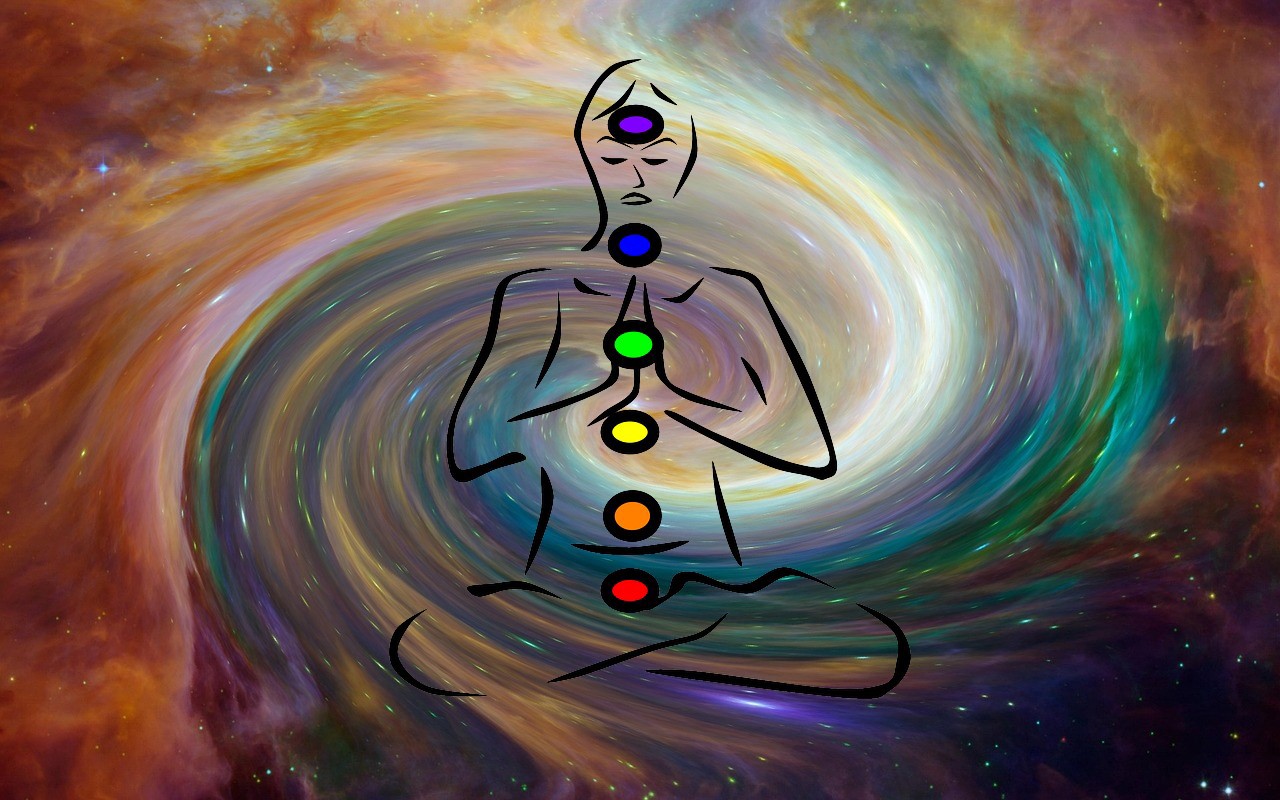
The seven-chakra model can give couples a memorable set of themes for talking about safety, pleasure, agency, care, communication, perspective and shared meaning. It is a spiritual framework, not a scientific measurement of relationship health, and a relationship does not succeed or fail because invisible centres are “aligned.”
Use the model as a conversation map. For every chakra theme, translate symbolism into observable behaviour: agreements kept, consent respected, needs expressed and problems repaired. Both partners remain separate people with equal permission to disagree.
Start with the relationship, not the energy claim
When something feels “blocked,” describe what is happening before assigning a spiritual cause. Are bills being hidden? Has affection changed? Are conversations interrupted? Is one partner exhausted? A precise description produces choices. An energy label may be added as personal meaning, but should not replace facts.
| Spiritual phrase | Observable translation | Possible next step |
|---|---|---|
| “Our root chakras are unsteady.” | Housing, money or routines feel uncertain. | Review the practical problem and agree on one responsibility. |
| “My heart is closed.” | I feel hurt and hesitate to be vulnerable. | Name the injury and the conditions needed for safe repair. |
| “My throat is blocked.” | I avoid saying what I need. | Write one clear request and choose a calm time to speak. |
| “Our energy is misaligned.” | Our goals or boundaries may differ. | Compare specific expectations instead of guessing destiny. |
Root chakra: practical safety
In common modern chakra systems, the root chakra symbolizes stability, belonging and basic needs. Couples can use that theme to discuss housing, money, food, sleep, transportation, privacy and physical safety.
Ask: Do we both know the household plan? Can each person access essentials and personal documents? Is disagreement safe? Financial secrecy, threats, blocked exits and control of medication or transportation are not energy imbalances; they are concrete safety concerns.
Sacral chakra: pleasure and consent
The sacral theme is often linked with pleasure, creativity, emotion and sexuality. Translate it into ongoing consent, curiosity and the freedom to change one’s mind. Commitment never creates automatic access to touch or sex.
Discuss affection outside an intimate moment: what feels welcome, what is off limits, how either person signals a pause and how health or stress affects desire. Do not use chakra language to shame low desire, infertility, pain, orientation or identity. Persistent pain or health concerns belong with qualified healthcare.
Solar plexus: agency and shared power
The solar-plexus theme can represent confidence, choice and action. A strong partnership does not require one person to shrink so the other feels powerful. Each partner needs room for friendships, decisions, work, rest and personal goals.
Review who makes decisions and whose preferences are treated as default. Healthy influence is reciprocal. Pressure, humiliation, surveillance and punishment for independence are warning signs, not proof of a “dominant chakra.”
Heart chakra: care with limits
The heart theme can prompt gratitude, tenderness and grief. Unconditional regard does not mean unconditional access. Love can coexist with boundaries, consequences or the decision to leave.
Ask what care looks like in behaviour: listening without fixing, following through, offering affection, sharing labour or apologizing specifically. Forgiveness is optional and does not require reconciliation. A partner’s promise matters when it is followed by sustained change.
Throat chakra: honest communication
The throat theme concerns expression and listening. Use direct statements rather than psychic certainty: “I feel worried because the plan changed” is more workable than “Your aura tells me you are lying.”
A clear request names one action, not a personality verdict. Try: “Would you text if you will be more than 30 minutes late?” The other person may agree, negotiate or decline. The answer gives you information about compatibility.
Third eye: perspective without mind-reading
The third-eye theme is often associated with insight and intuition. Intuition may alert you to a pattern, but it does not reveal a partner’s private thoughts. Treat it as a question: What did I observe? What else could explain it? What evidence would change my view?
Past betrayal, trauma or anxiety can make threat detection especially active. That deserves compassion and, when useful, qualified support. It does not justify checking devices, tracking a partner or making accusations without evidence.
Crown chakra: meaning without destiny
The crown theme can invite discussion about spirituality, ethics and purpose. Partners do not need identical beliefs, but they do need respect. Agree on what practices are shared, private or absent from the home.
No “soul contract,” chakra match or universe-given bond obligates a person to marry, stay or reunite. Shared meaning is built through choices. If values fundamentally conflict, honest incompatibility is more useful than spiritual blame.
A seven-theme relationship check-in
Safety
What would make daily life more stable this week?
Pleasure
What kind of connection feels welcome and freely chosen?
Agency
Where does each person need more say or independence?
Care
Which concrete action would feel supportive?
Voice
What has been difficult to say or hear?
Perspective
What assumption should we test against evidence?
Meaning
Which value do we want our choices to express?
Use one theme at a time
Trying to “balance” all seven in one evening can overwhelm the actual issue. Choose the theme nearest the problem, set a 20-minute conversation and make one small agreement. Review whether it helped before adding another practice.
For examples of mutual space, sleep and repair agreements, read healthy partnership lessons for sensitive people. If a conversation escalates, use the pause-and-return tools in the grounded conflict guide.
A modest home practice
When partners choose different themes
One person may choose safety while the other chooses intimacy. Do not vote on whose chakra is correct. Both selections reveal needs. Start with safety because emotional and physical security support every other conversation, then schedule the second issue.
If one partner continually refuses any discussion, breaks agreements or retaliates after requests, more spiritual technique may not solve the pattern. Consider individual support and realistic decisions about what you can control.
Chakra meditation for self-regulation
Sit comfortably, notice contact with the floor and move attention slowly from pelvis to head. At each area, breathe naturally and name the matching relationship theme. Finish by orienting to the room, date and next practical action.
Stop if the exercise increases panic, dizziness, dissociation or pain. Open your eyes, move, drink water and use a familiar grounding method. Seek appropriate care for persistent symptoms. Breath-holding, extreme fasting, substances or painful postures are unnecessary.
Relationship readings and paid chakra services
A reader may offer symbolic reflection, but cannot verify that a relationship is destined, diagnose a blocked organ or guarantee repair. Ask for the total cost and method before the session. Keep passwords, banking information and unnecessary private details to yourself.
Leave if a practitioner claims an urgent curse, demands escalating payments, promises to control a partner, discourages healthcare or says secrecy is required. A useful session strengthens your judgment rather than making you dependent.
Conflict, incompatibility and abuse are different
Conflict can occur in a healthy relationship when both people remain free to disagree and repair. Incompatibility means important needs or values may not fit despite goodwill. Abuse involves patterns of intimidation, coercion, isolation, threats, sexual pressure, financial control, stalking or physical harm.
A 30-day experiment
- Choose one chakra theme and translate it into an observable need.
- Agree on one small behaviour for two weeks.
- Record whether both people follow through and feel free to speak.
- Review the agreement without blaming energy.
- Keep, change or end the experiment based on real effects.
The chakra map can inspire the conversation. The evidence comes from consent, safety, consistency and the life you build together.
Frequently asked questions
Do chakras determine relationship compatibility?
No. Chakras are a spiritual framework, not a validated compatibility test. Evaluate mutual interest, consent, values, communication, safety and reliable behaviour.
Must all seven chakras be aligned for commitment?
No. Couples can use the seven themes for reflection, but a lasting relationship does not require measurable energy alignment or perfect agreement in every area.
Can chakra work repair a troubled relationship?
It may support calm reflection, but repair requires accountability, changed behaviour and mutual participation. It cannot make another person change or make an unsafe relationship safe.
Is a blocked chakra a medical or psychological diagnosis?
No. Do not use chakra labels to diagnose pain, illness, trauma or mental health. Persistent or concerning symptoms deserve qualified professional assessment.